

Couples & Relationships
From Cave Art to Modern Love (Part 1)
Aug
Love as Old as Humanity
Love and intimacy are not modern inventions — they have been part of the human story for tens of thousands of years. From the moment early humans painted their emotions on cave walls, the desire to connect, bond, and express affection has shaped our evolution. Today, our tools have changed, but the essence of love remains the same.
1. Ancient Expressions of Connection
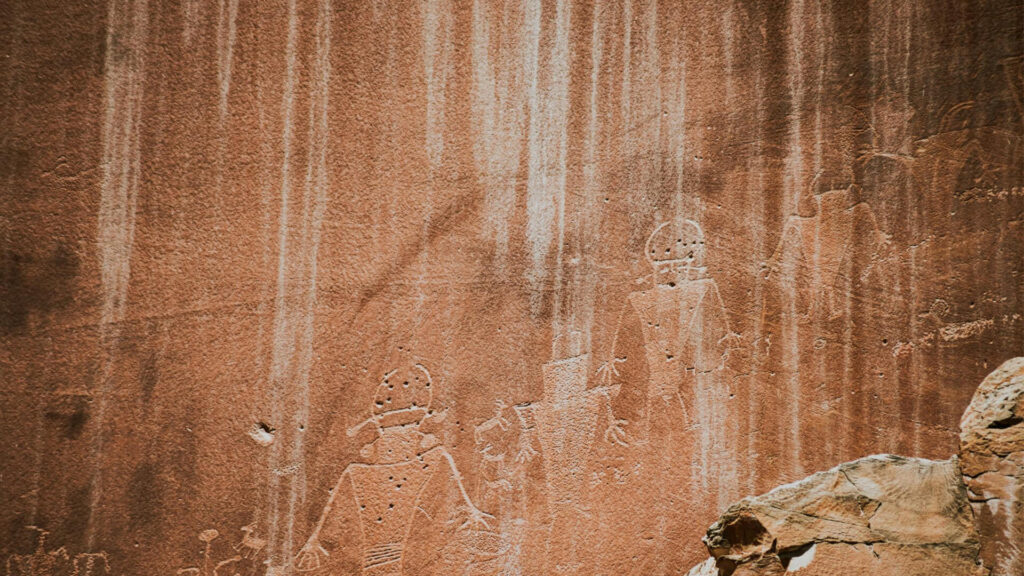
In prehistoric times, humans didn’t write love letters — they drew. Cave art found in places like Lascaux, France, often depicted human figures, animals, and symbolic shapes. Many historians believe some of these paintings were expressions of admiration, desire, or rituals to strengthen social bonds.
Love was not just a private emotion; it was woven into community life.
2. Rituals of Affection
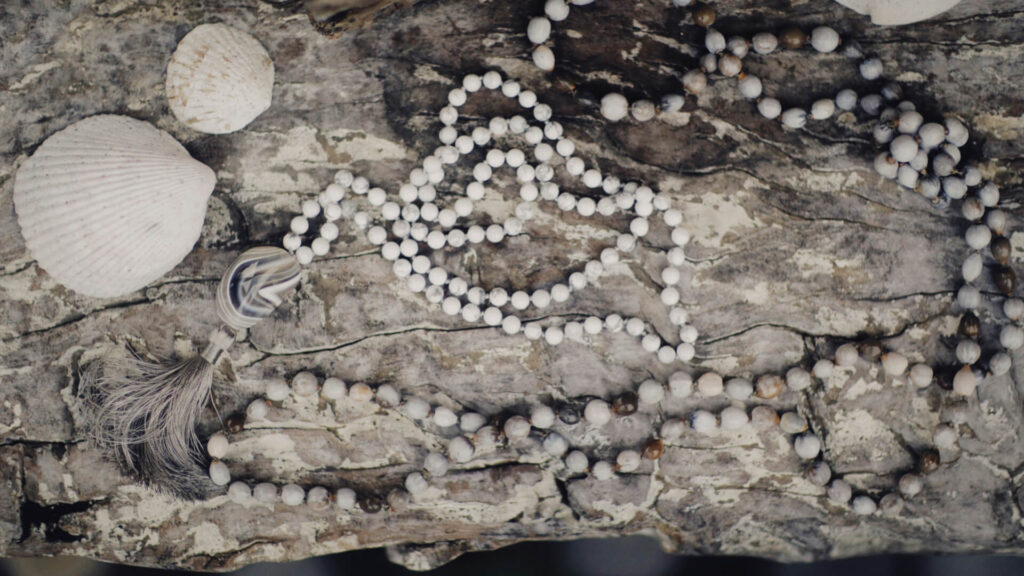
Archaeological evidence suggests that early societies practiced rituals to express attraction and strengthen partnerships. From decorative beads to body paint, physical appearance and scent played a role in courtship. These acts weren’t just aesthetic — they were powerful signals of care and commitment.
3. The Evolution of Partnership
In ancient hunter-gatherer societies, survival depended on cooperation. Partnerships were built not only on reproduction but also on mutual support — sharing food, protecting children, and defending the group. Love, in its earliest form, was deeply practical, yet still filled with emotional significance.
4. Communication Beyond Words
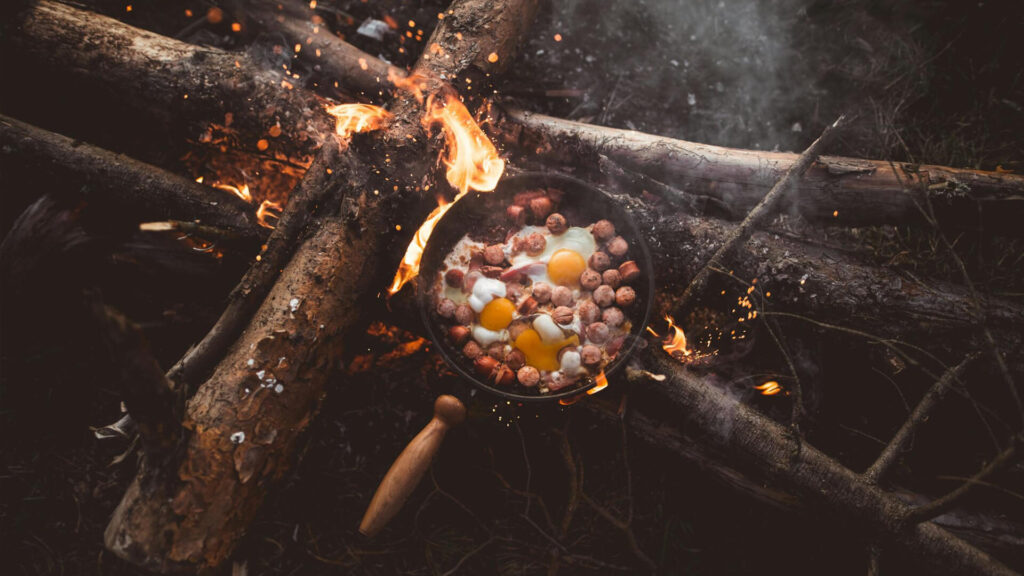
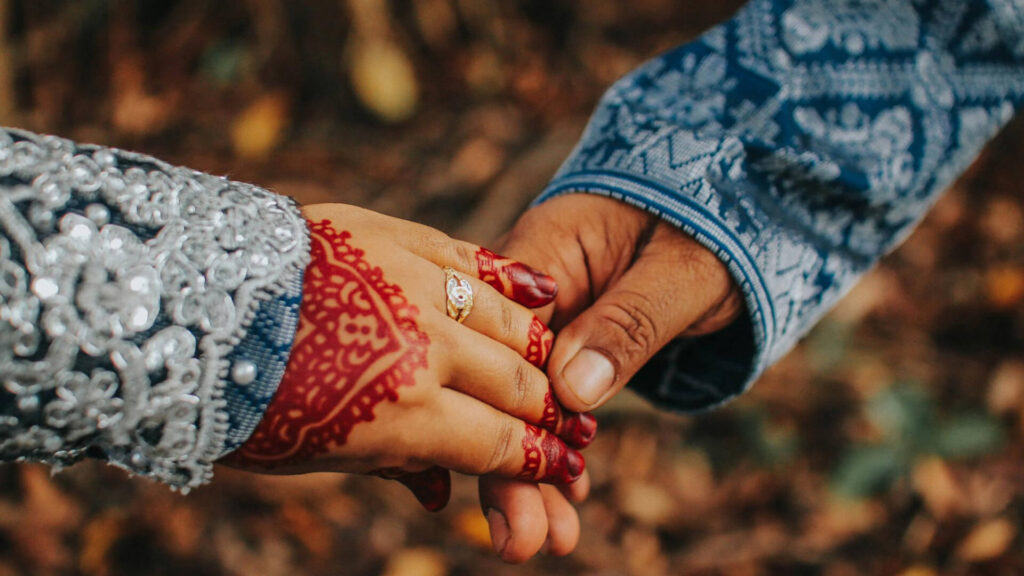
Long before the invention of written language, humans communicated emotions through touch, gestures, and shared experiences. Holding hands, offering food, or crafting a gift were acts of deep meaning — the “love languages” of the ancient world.
The Foundations of Modern Romance
From the glow of firelight in a prehistoric cave to the warm glow of a phone screen today, the essence of love has always been about connection. In Part 2, we’ll explore how love evolved through ancient civilizations into the romantic traditions we know today.
